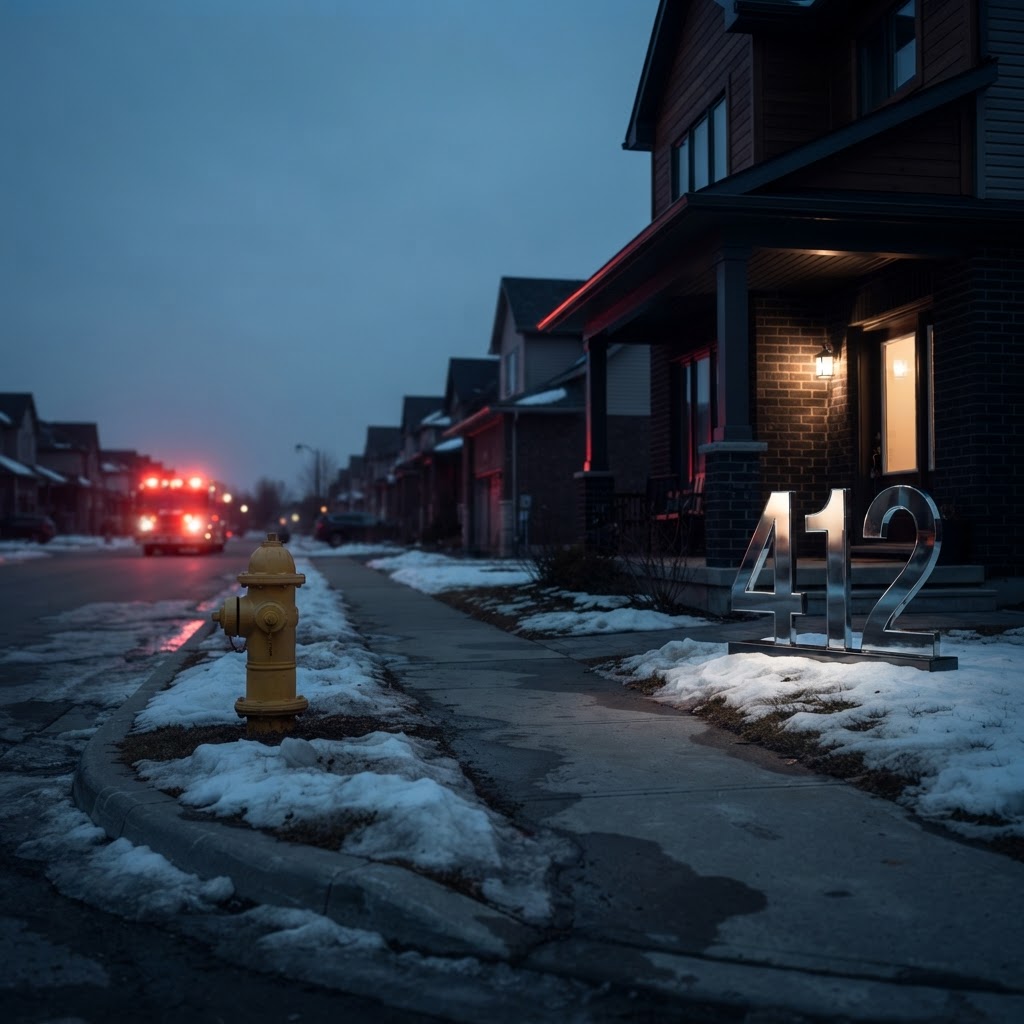
Can Firefighters Find Your House? 6 Ways to Help Crews Reach You Faster
Seconds matter in an emergency. Visible house numbers, clear hydrants, and an open driveway can make a real difference in how fast help arrives.
When you call 911, the fire engine is only as fast as its ability to find you. Firefighters tell the same stories over and over: house numbers hidden behind shrubs, dark porches at night, hydrants buried under snow, and gates that nobody can open.
The good news is that every one of these problems is easy to fix. Here's how to make your home easy for crews to reach.
1. Make your house number impossible to miss
- Use numbers at least 4 inches tall, in a color that contrasts with the background
- Choose reflective or lit numbers so they're readable at night
- Mount them where they're visible from the street in both directions
- If your home sits back from the road, add your number to the mailbox or a post at the end of the driveway
- Trim bushes, trees, and vines that block the numbers
Script-style or spelled-out numbers ("Twenty-Two") look nice but are hard to read from a moving truck. Simple block digits work best.
2. Keep the fire hydrant clear
If there's a hydrant near your home, it may be the water supply for fighting a fire on your street.
- Keep 3 feet of clear space around it in every direction
- Shovel it out after snowstorms; many departments run "adopt a hydrant" programs
- Don't plant shrubs, build fences, or stack yard debris around it
- Never park in front of a hydrant
If you notice a damaged or leaking hydrant, report it to your water utility or your fire department's non-emergency line.
3. Leave room for the engine
Fire engines and ladder trucks are big. They need about 20 feet of clear width to get down a road and set up.
- Avoid parking on both sides of narrow streets
- Keep long driveways clear of vehicles, trailers, and low branches (crews need about 13.5 feet of vertical clearance)
- On rural properties, make sure bridges and culverts can handle a heavy vehicle
4. Plan for gates and locks
A locked gate can cost precious minutes. Ask your fire department whether they use a Knox Box or key system for gated communities and commercial properties. If you have a private gate, consider an access code you can share with dispatch.
5. Turn on the lights
If you've called for help at night, turn on your porch and outside lights. If someone can safely do so, have them stand outside and wave crews in, especially in apartment complexes, mobile home parks, and new subdivisions that may not show up correctly on maps.
6. Know your exact location
When calling 911, give your full street address, including the apartment or unit number. If you're in a rural area, know your nearest cross street and any landmarks. Cell phone locations are not always precise, so never assume dispatch already knows where you are.
A quick weekend checklist
- [ ] House numbers visible from the street, day and night
- [ ] Nearest hydrant clear of snow, brush, and clutter
- [ ] Driveway clear and wide enough for a large truck
- [ ] Gate access plan in place
- [ ] Everyone in the home knows the full address
These small steps help your local firefighters help you. Want to learn more about the crews who serve your community? Browse fire departments near you.
Recommended Safety Gear

Prepared Hero Emergency Fire Blanket
Prepared Hero Emergency Fire Blanket, Kitchen & Home, 39 x 39 in, 4 Pack Smothers Grease, Gas And Electric Flame Emergencies With No Sprays, Cleanup Or Residue; Kitchen, Home And Camping Ready

410 Piece Waterproof Hard Shell First Aid Kit
Always be prepared with this all-inclusive first aid kit. Great for any outdoor adventure!

First Alert Smoke Alarm
Safety essentials for your home and car! These fire extinguishers are a must-have!
Affiliate disclosure: we may earn a small commission from qualifying purchases at no extra cost to you. This helps keep the directory free.
Fire safety tips in your inbox
Occasional emails with prevention tips, department news, and directory updates. Unsubscribe any time.